.png)
A Parent’s Guide to Infant Formulas in Malaysia
Updated: May 8
Feeding choices can feel overwhelming, especially when there are so many options available and so much information to consider.
In Malaysia, infant formula plays an important role for many families, whether as a primary source of nutrition or alongside breastfeeding. For parents preparing their baby for infant care, having clarity on what works best can make the transition feel more settled.
What matters most is not choosing the “best” formula, but finding one that suits your baby’s needs and feels manageable for your daily routine.
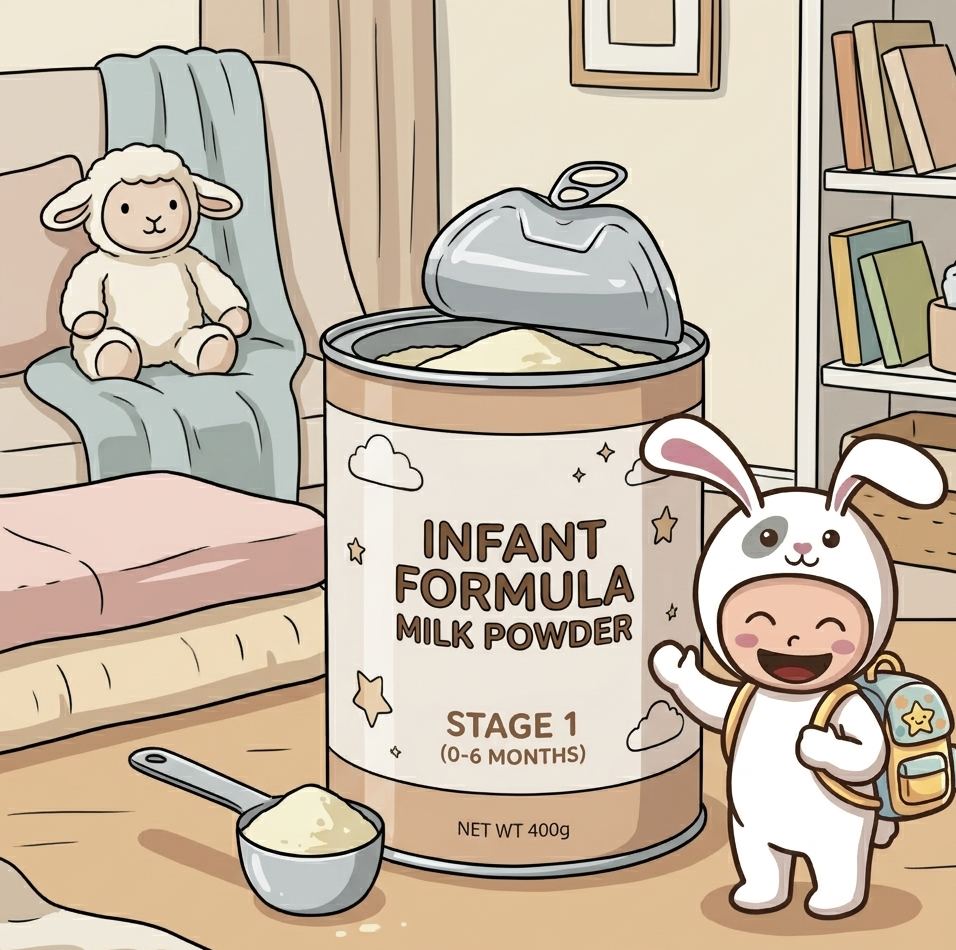
🍼 What Babies Typically Drink in Infant Care
In most infant care settings, feeding routines are guided closely by each baby’s привычки and what they are already familiar with at home.
Consistency is key, especially in the early months.
Here are some common feeding approaches seen among babies in Malaysia:
Breast milk (expressed)
Many mothers continue breastfeeding after returning to work by expressing milk for bottle feeds. This allows babies to maintain a familiar taste and routine while away from home.
Infant formula
For formula-fed babies, parents typically provide their preferred brand. Options such as HiPP, Enfamil A+, Nestlé NAN, and Friso Gold are commonly used due to their availability and established trust among families.
Specialised formulas
Some babies may require alternatives due to sensitivities, digestion concerns, or allergies. These can include lactose-sensitive, hydrolysed, or soy-based formulas, depending on individual needs.
Ready-to-feed options
Occasionally, parents choose ready-to-feed milk for convenience, especially during busy days. These can reduce preparation steps and offer consistency when handled carefully.
Most importantly, infant care environments follow the baby’s existing routine, rather than introducing sudden changes.
🌿 Choosing a Formula That Works for Your Baby
Selecting a formula does not need to feel complicated, but it does benefit from thoughtful consideration.
Here are a few aspects that can make a meaningful difference:
Your baby’s comfort and digestion
If your baby shows signs of colic, reflux, or sensitivity, it is worth discussing options with a paediatrician before making a switch.
Ease of preparation
A formula that is straightforward to prepare helps ensure feeds are consistent, especially in a shared caregiving environment.
Sustainability for your routine
Feeding happens multiple times a day, so choosing something that fits your budget and lifestyle makes it easier to stay consistent.
Clear labelling and communication
When sending milk to infant care, clearly labelled bottles or containers help prevent confusion and ensure your baby receives the correct feed.
A good choice is one that your baby accepts well and that you can confidently maintain each day.
🤍 A Note on Transitions
If your baby is starting infant care, it is best to avoid introducing a new formula at the same time.
Allowing your baby to adjust to one change at a time, whether it is a new environment or a new feeding method, can make the transition smoother and less overwhelming.
Familiarity brings comfort, especially during periods of change.
💭 A Thought to Reflect On
With so many options available, it is easy to feel pressure to choose perfectly.
But what if the question is not “Which formula is the best?”, but rather,“Which option helps my baby feel comfortable, settled, and well?”
🩷 A Gentle Next Step
If you are still exploring, take your time to observe your baby’s responses, ask questions, and gather information that feels relevant to your situation.
And if you know a parent who is navigating similar feeding decisions, consider sharing this with them. Sometimes, having a clearer starting point can make the process feel much lighter.


Comments